Kitchens
Choosing Between a Shaker and a Handleless Kitchen
Walk into any kitchen showroom in South Yorkshire and you'll see two styles taking up most of the floor space. Shaker kitchens with their framed doors and visible handles, and handleless kitchens with their smooth, uninterrupted fronts. Both sell consistently because they work, but they work in different ways and for different households.
The question isn't which one looks better in a photograph. It's which one suits the house you've got, the way your family uses the kitchen, and whether you're prepared to live with the maintenance each style demands. Get this right and you'll have a kitchen that works for fifteen years or more. Get it wrong and you'll be looking at replacements sooner than you planned.
What defines each style
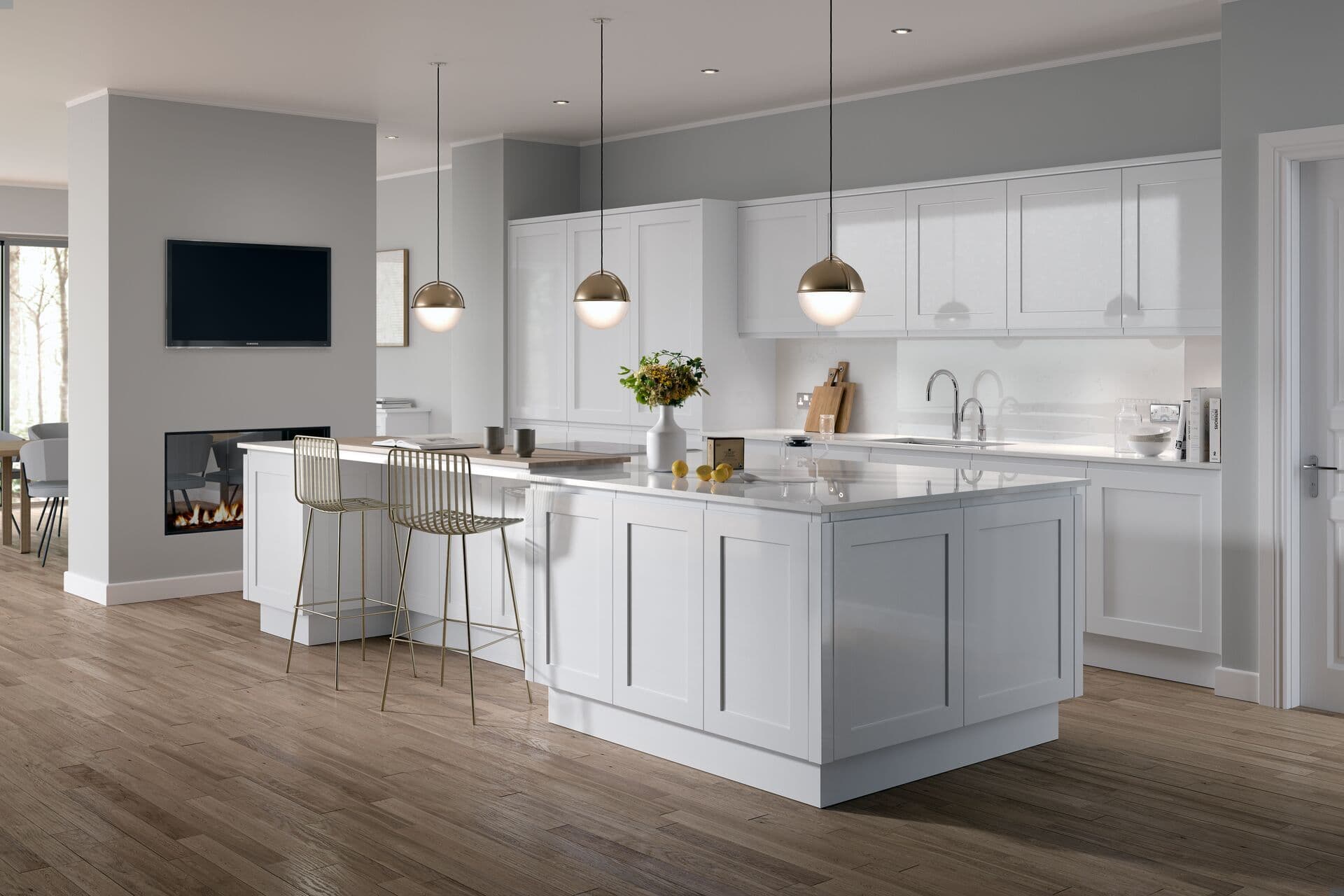
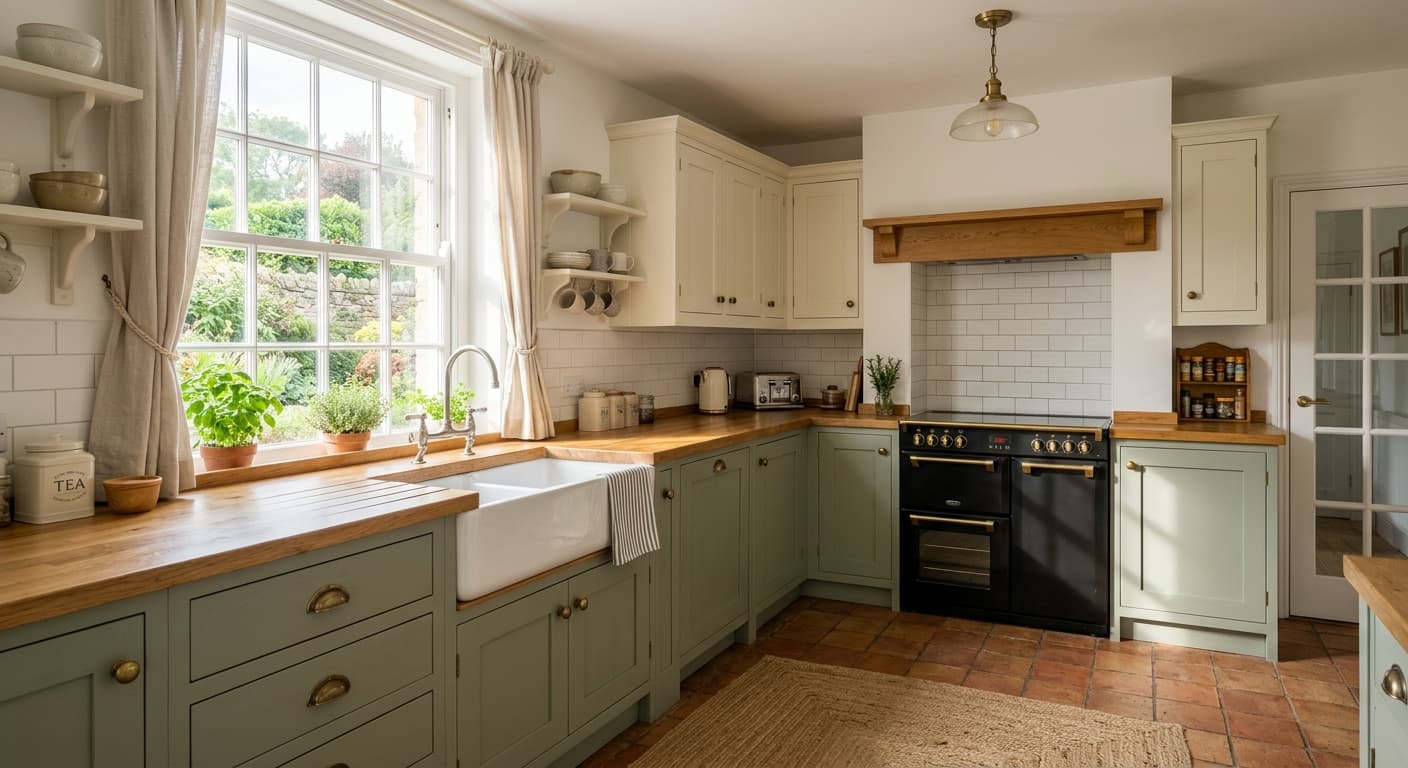
Shaker kitchens have a five-piece door construction. There's a flat centre panel surrounded by a frame with a visible join. The frame creates a recessed panel, usually around 6mm to 9mm deep. Handles are mounted separately, either as knobs or bar handles. The style comes from 18th century American furniture makers who valued function and durability over decoration.
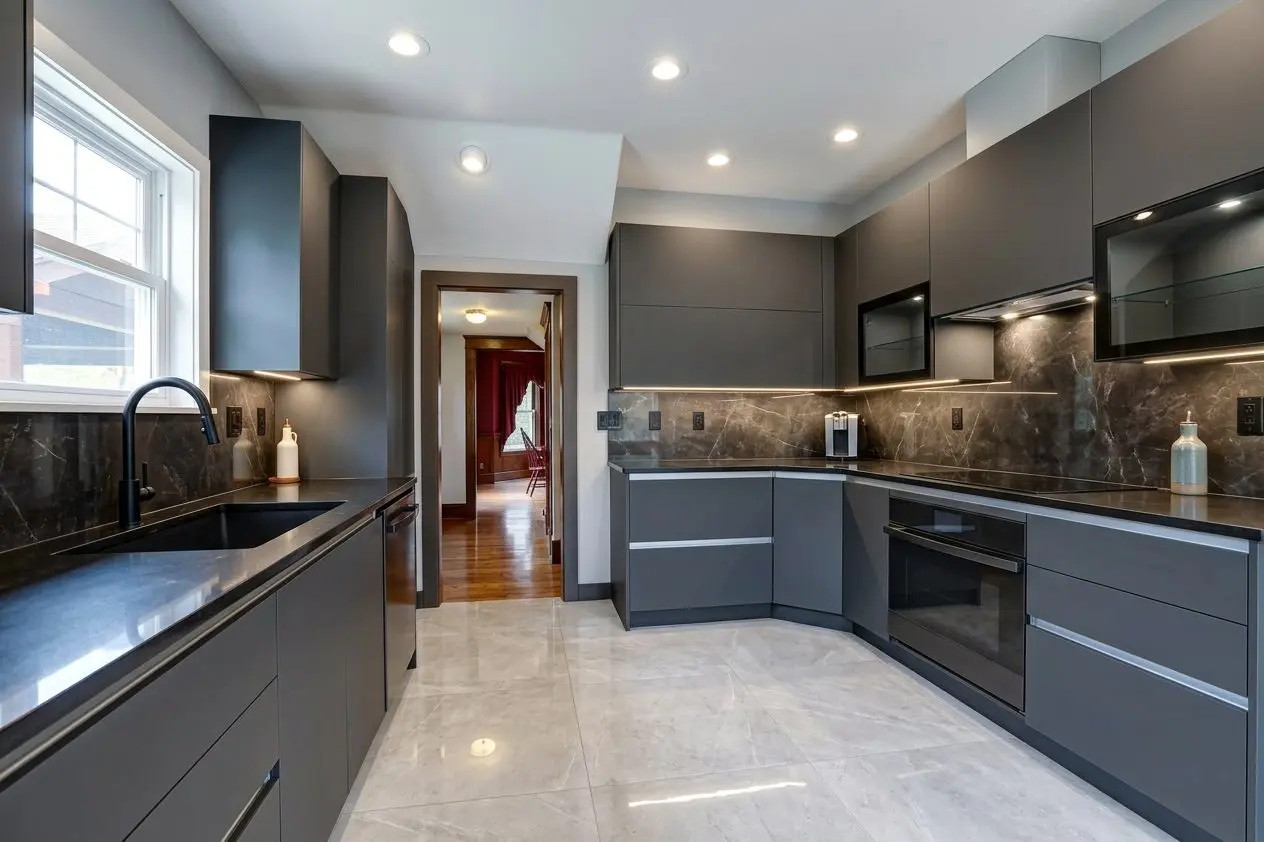
Handleless kitchens use flat slab doors, though some have a very shallow profile detail. Instead of mounted handles, you get either a J-pull profile routed into the top or bottom edge of the door, or push-to-open mechanisms. The door sits flush to the carcass with minimal gaps. Everything about the design removes visual breaks and creates continuous surfaces.
How the house affects the choice
Period properties with original features, ceiling heights above 2.4 metres, and detailed cornicing suit Shaker kitchens. The framed doors complement existing architectural details rather than fighting them. In a Victorian terrace or an Edwardian semi, handleless units can look like they've been dropped in from a different building.
Modern builds, open-plan layouts, and homes with lower ceilings work better with handleless designs. The clean lines make smaller kitchens feel less cluttered. New-build estates around Mexborough often have kitchen spaces that are wide but not tall. Handleless units make the most of that horizontal space without adding visual weight.
“The frame detail on Shaker doors catches spills and splashes. Handleless kitchens show every fingerprint on high-gloss finishes.”
Living with the practicalities
Shaker doors collect debris in the frame detail. If you cook daily and the kitchen sees heavy use, you'll be wiping out those recesses regularly. Grease sits in the join between frame and panel. It's not difficult to clean but it does need doing. Handles get greasy too, but you can remove and soak them if needed.
Handleless kitchens in gloss finishes show fingerprints within an hour of cleaning. Matt finishes hide marks better but can show wear patterns where hands repeatedly touch the same spot on push-to-open doors. J-pull profiles collect crumbs and dust in the groove. If you've got young children who touch everything at waist height, that matters.
Bar handles on Shaker units stick out. You'll catch them with your hip or sleeve, especially in galley kitchens under 2.4 metres wide. Knob handles are less intrusive but harder to grip if you've got arthritis or wet hands. Push-to-open mechanisms on handleless units can be stiff when new and can fail after years of use, though decent hardware lasts.
Light and colour behaviour
The frame detail on Shaker doors creates small shadows. In a north-facing kitchen with limited natural light, this adds depth but can make the space feel darker. Lighter colours offset this. Handleless designs reflect light more evenly across the door surface, which helps in kitchens with small windows or no direct sunlight.
Dark colours work differently on each style. A deep navy or charcoal Shaker kitchen shows the frame detail clearly, which adds interest. The same colour on handleless doors can look flat and heavy unless you've got enough light to show the surface quality. Matt finishes are more forgiving than gloss in darker shades for both styles.
Resale and longevity
Shaker kitchens have been popular since the 1990s and show no sign of disappearing. They appeal to a broad range of buyers because they sit somewhere between traditional and contemporary. Estate agents generally consider them a safe choice that won't put off potential buyers.
Handleless kitchens have moved beyond being a fashion statement. They've been around long enough now that buyers expect to see them in modern properties. The risk is with very specific finishes or colours that might date. A handleless kitchen in white or light grey has lasting appeal. High-gloss red or purple less so.
Seeing both properly
Photos don't tell you how a door feels when you open it, how the finish responds to natural light in your actual kitchen, or whether the frame detail will bother you every time you wipe down. You need to see full displays, open the doors, run your hand along the surfaces, and picture it in your own space.
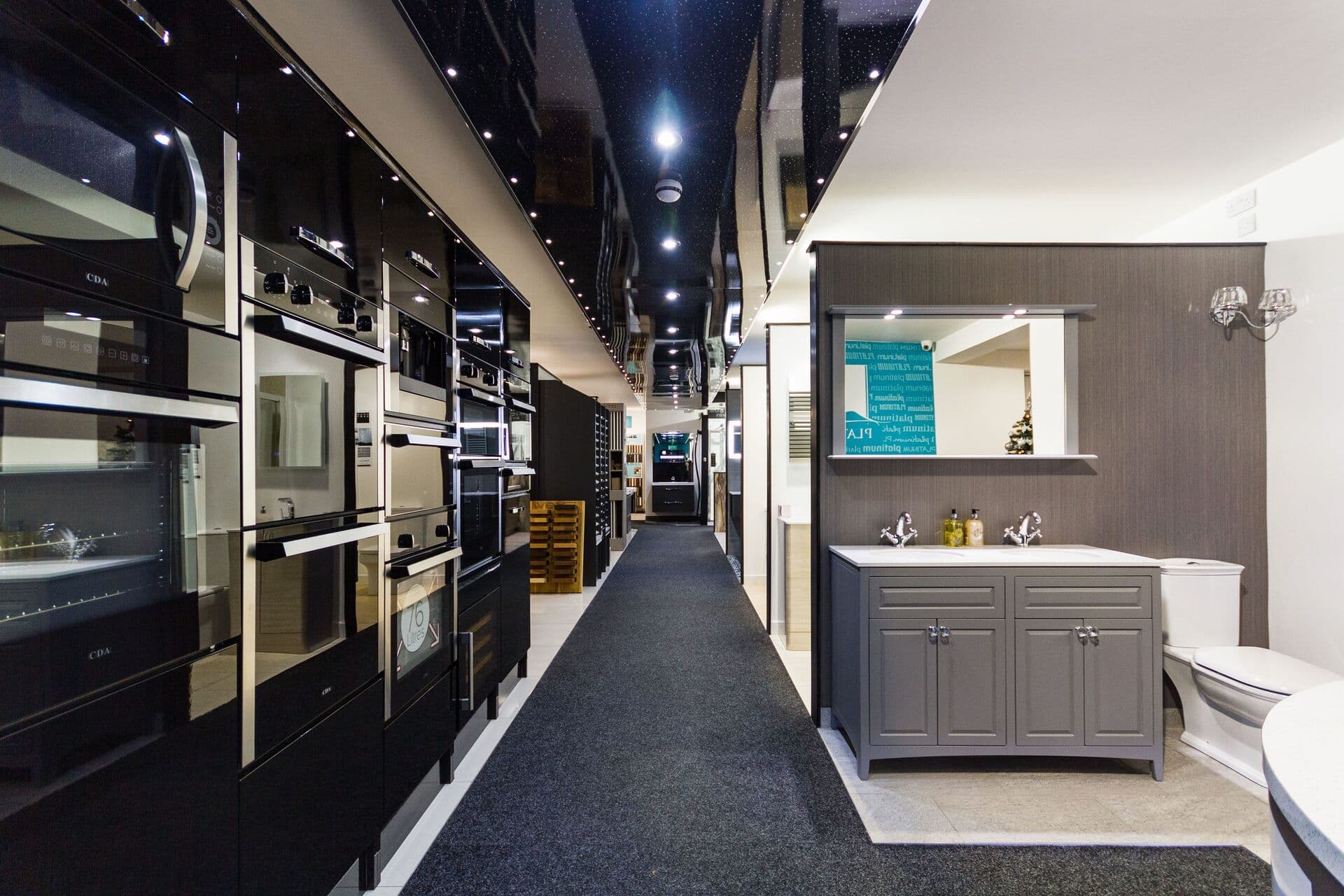
Both Shaker and handleless displays are set up in the Mexborough showroom with different finishes and configurations. You can compare them directly and see how each style works with worktops, splashbacks and flooring. If you want to see how either style would work in your kitchen specifically, the free home design survey covers layout, light levels and which style makes practical sense for the space you've got.
See Your New Room
Still deciding? Try it in your own room.
Send a photo, pick a style and see a concept. Free, and no account needed. →